
Game Games for iGaming Platforms
Interactive live dealer entertainment combining RNG mechanics with broadcast-quality production. Game Shows deliver differentiated player experiences and cross-demographic appeal.



Everything About Game Games
Game Shows represent the entertainment-focused segment within Live Dealer Games, merging television-style production values with interactive casino mechanics. This subcategory evolved from traditional wheel-based games into multi-bonus-round experiences featuring hosts, visual effects, and participatory gameplay elements.
Operators deploy Game Shows to attract entertainment-first players and differentiate from table game-heavy competitors.

Explore Game Shows
Cash or Crash

Integrate Cash or Crash, the climbing multiplier game show that delivers high volatility session mechanics with built-in tension escalation and strategic cashout decisions for operators.
Crazy Time

High-energy wheel-based game show format delivering premium engagement and exceptional monetization. Operators integrate Crazy Time to capture mainstream audiences and drive extended session times.
Deal or No Deal

Deploy branded Deal or No Deal game show experiences that combine high player recognition with proven RNG-multiplier mechanics. Strategic integration for operators targeting mainstream audiences.
Dream Catcher
The foundational money wheel format that established live game shows as a platform category. Dream Catcher delivers simple multiplier mechanics with broad appeal across casual and VIP segments.
Monopoly Live
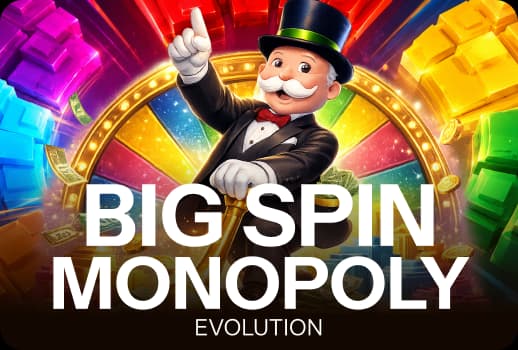
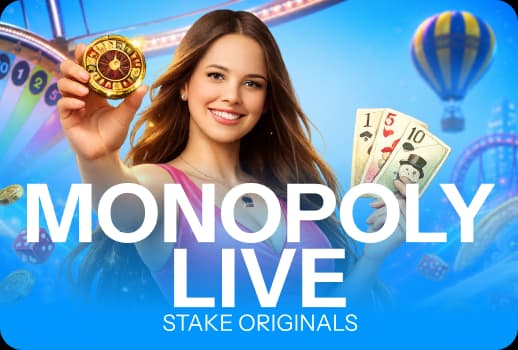
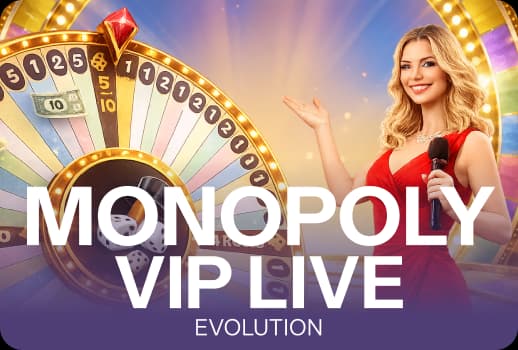
Monopoly Live represents the premium branded game show segment, combining physical wheel mechanics with augmented reality bonus rounds.





Deploy Game Shows Through KodeDice's Live Dealer Infrastructure
Integrate entertainment-driven live content with pre-configured game lobbies, responsive streaming, and cross-provider catalog management.
Access 1000+ games across multiple providers with fast integration timelines.
Why Operators Choose Game Shows
Portfolio Depth
Consistent cross-demographic appeal with predictable peak-hour performance.
Revenue Alignment
Higher average bet sizes than table games with extended session durations.
Provider Flexibility
Bridges live dealer authenticity with casual player accessibility.
Market Fit
Broadcast model enables unlimited concurrent players per game instance.
Game Shows at a Glance
| Metric | Insight | Operator Impact |
|---|---|---|
| Average Concurrent Players per Game | Game Shows support 300-500+ simultaneous players per round without performance degradation. | Enables efficient resource utilization—single game instance serves entire player base during peak |
| Marketing Asset Generation | Visual format produces clips, highlights, and win moments for social and promotional content. | Reduces creative production costs—operators extract marketing materials directly from gameplay |
| Session Duration Differential | Game Shows deliver 15-25% longer average sessions than standard live table games. | Improves player lifetime value through extended engagement without increasing game count or |
| Cross-Demographic Performance | Format attracts both experienced bettors and entertainment-first casual players simultaneously. | Enables unified acquisition campaigns targeting broader player profiles than skill-based table |
| Brand Title Recognition | Licensed formats like Monopoly Live carry pre-existing player awareness and trust signals. | Reduces onboarding friction and trial barriers—players engage with familiar properties faster than |
| Mobile Optimization Requirements | Responsive stream delivery and touch-optimized interfaces critical for mobile-first markets. | Requires platform infrastructure supporting adaptive bitrate streaming and portrait-mode gameplay |
Operator Perspective on Game
Operators evaluate Game Shows based on brand recognition and marketing leverage—titles like Crazy Time and Monopoly Live carry built-in player awareness that reduces acquisition costs. The subcategory's performance centers on repeat engagement rather than pure house edge optimization, requiring different KPI frameworks than traditional table games.
Strategic positioning focuses on portfolio differentiation and competitor separation.
Deploy Game Shows Through KodeDice's Live Dealer Infrastructure
Integrate entertainment-driven live content with pre-configured game lobbies, responsive streaming, and cross-provider catalog management.
When to Use Game Games in Your Platform
Operators use Game Shows to bridge live authenticity with entertainment appeal across acquisition and retention.
Top Providers of Game Shows
Leading studios delivering broadcast-quality Game Shows with proven player recognition and engagement.


Frequently Asked Questions
Have a Specific
Question? Let's Talk.
Our solutions team responds within 4 business hours.
No sales pitch unless you ask for one.
Game Shows use broadcast production, interactive bonus rounds, and entertainment hosts rather than traditional table game rules. They combine RNG-triggered mechanics with live presentation, creating accessible experiences for casual players while maintaining live dealer authenticity. This format requires different lobby placement and marketing strategies than skill-based table games.
Operators must ensure streaming infrastructure supports high concurrent player loads and adaptive bitrate delivery. Mobile optimization is critical—responsive interfaces and portrait layouts drive 60-70% of Game Show sessions. Platform configuration should prioritize prominent lobby placement and visual hierarchy given the format's entertainment-first positioning.
Game Shows attract entertainment-first casual players, slots enthusiasts seeking social elements, and younger demographics preferring visual engagement over strategy. The format bridges live dealer authenticity with accessibility, converting players intimidated by blackjack or poker rule complexity. Operators use this subcategory to expand beyond traditional table game demographics.
Position Game Shows as gateway products—entry points for casual players exploring live dealer content. Use them to differentiate from competitors heavy on traditional tables and create marketing assets through gameplay highlights. Balance catalog depth against promotional support requirements, as each title needs featured placement to justify production complexity.
Evaluate session duration, repeat play frequency, and cross-product migration rates rather than pure handle or house edge. Successful Game Shows drive 15-25% longer sessions and higher promotional content generation. Monitor concurrent player counts per instance and mobile engagement rates, as scalability and device accessibility determine long-term subcategory ROI.

Launch Game Shows on KodeDice with Full Provider Integration
Deploy broadcast-quality live entertainment through unified APIs, responsive lobbies, and catalog management tools.